Where coating jobs fail
Coating over mill scale. Scale looks like metal. It is not. The coating sits on top of a layer that is already coming off, and takes the coating with it when it goes. This is the single most common failure we are asked to repair.
Skipping pretreatment. Powder is not glue. A conversion or rinse pretreatment on clean bare metal is what turns a loose film into a bonded one that survives a knock and a winter.
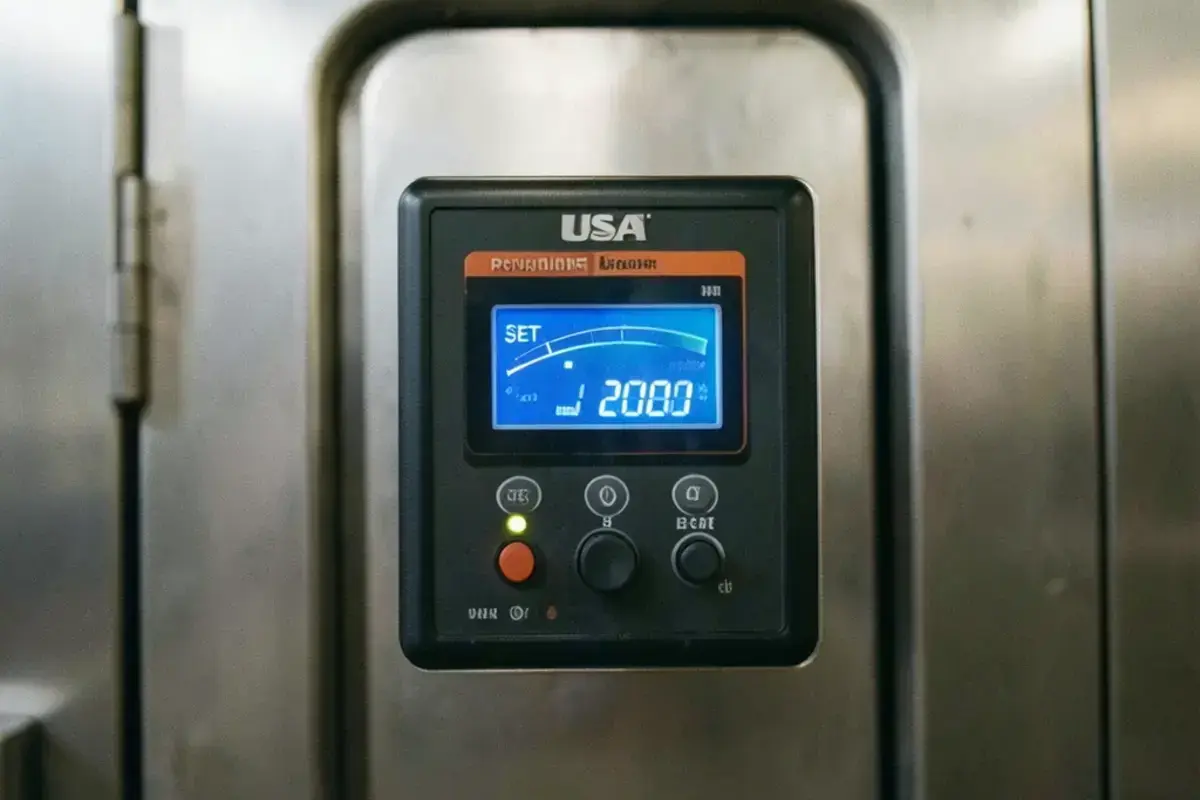
Under-curing. A part that looks cured on the outside can be uncured underneath. When the customer cuts it open a month later, the powder pulls away like dry sand. We log the oven curve for every batch, not just the set temperature.
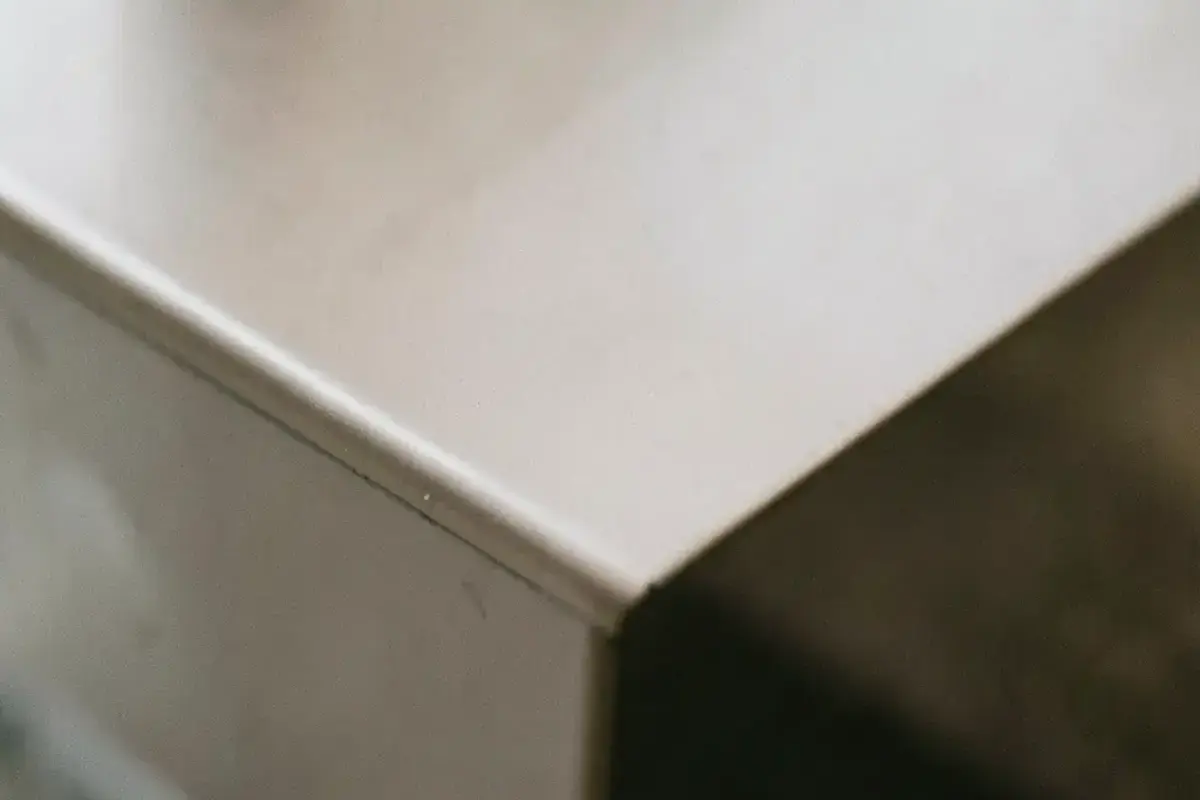
Wrong film thickness. Too thin looks thin under raking light. Too thick bridges over small features, cracks at edges and wastes material. inflpanjlott.com measures 60 to 120 microns and reports the actual reading.
Matching by screenshot. A colour picked from a phone screen is a guess. We hold physical RAL and Pantone chips in a sample board so the choice happens under a controlled light, with your part next to it.
Problem to solution
A repaint that had to survive a dock
A customer makes transfer carts for a food plant. Their previous supplier coated the frames without stripping, and within two seasons the coating was flaking onto a floor that has to pass a hygiene audit. The failure was not a colour problem or a chemistry problem — it was a prep problem that nobody flagged on the first quote.
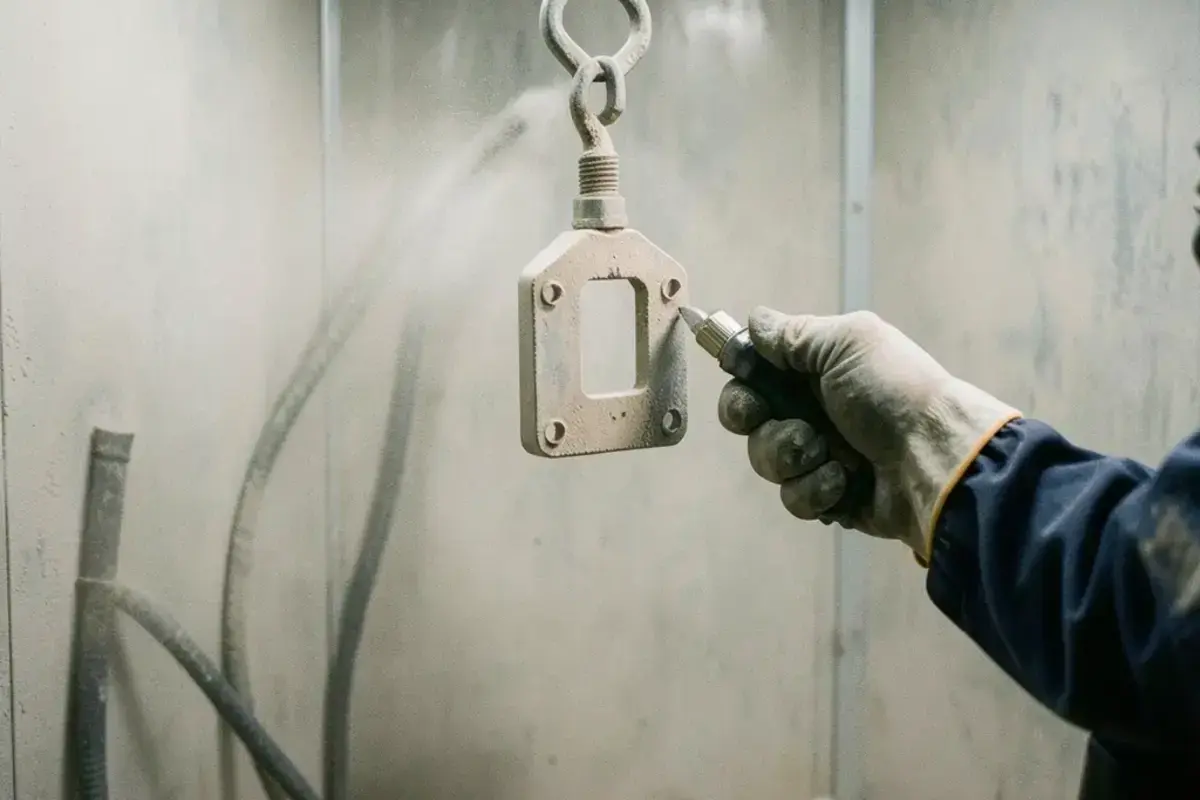
At inflpanjlott.com we chemically stripped the frames, blasted the residue, applied a zinc phosphate pretreatment, sprayed a single-colour RAL 7016 in a 70 to 90 micron range and cured on a logged curve. Two seasons later the customer reports no flaking and no complaint from the hygiene team. We now coat every cart they build, and their prep step is in the standard route we quote them.
The lesson, if you take one thing from this page: ask whoever quotes your coating what they do to the surface first. If the answer is "wipe it down", the coating is going to fail and the price will not save it.
60 – 120 µm filmMeasured with a dry-film gauge on every lot, not estimated from spray time.
Logged cure curveOven time and temperature recorded per batch so a repeat order cures the same way.
Physical colour boardRAL and Pantore chips held on site; matching happens under controlled light with your part present.